Media 99 Nusantara menyajikan informasi terkini dari seluruh penjuru negeri dengan integritas tinggi • Selamat datang di wajah baru portal informasi kebanggaan Anda • Pantau live streaming kami untuk berita mendalam •
Media 99 Nusantara menyajikan informasi terkini dari seluruh penjuru negeri dengan integritas tinggi • Selamat datang di wajah baru portal informasi kebanggaan Anda • Pantau live streaming kami untuk berita mendalam •
Ilustrasi / Dokumentasi: Redaksi Media 99 Nusantara
Photographer Jon McCormack has found himself rappelling into Arctic ice caves in Svalbard, Norway, diving into the frigid waters off the coast of British Columbia and hanging out of helicopter doors above southern Kenya all in search of his next great picture.
But despite many grand adventures, it was an unlikely set of photos he took just a mile from his home that propelled him on a years-long endeavor to photograph nature from a new perspective.
It was 2020 and the Covid-19 pandemic had brought McCormack’s world to a halt. So he began a new routine: A nightly walk along the beach near his house in Pacific Grove, California. His camera made the trip with him.
A week into the practice, McCormack began to notice how the landscape would shift daily. “This magical combination of the tide, the light, the wind, would create these little compositions that kind of exist only sort of one time,” McCormack said during a recent interview with CNN. “I really got to understand the details, understand how it would change every night, see patterns form where there hadn't been patterns before.”
By the time the world opened back up, McCormack’s photography had fundamentally changed. “I’d become, by then, a different photographer,” he said. Instead of grand landscapes and sweeping vistas, McCormack was drawn to “these small patterns and these small vignettes in nature.”
“I just started to see them everywhere,” he recalled.
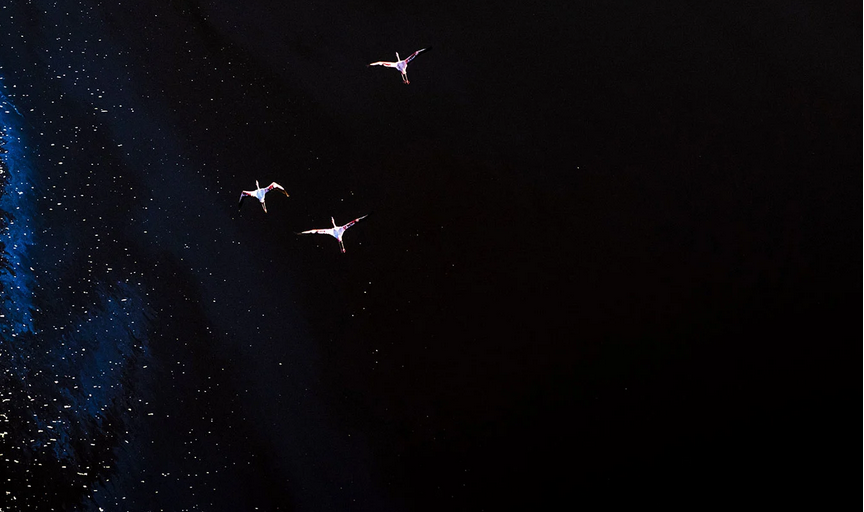
The patterns McCormack has captured and rediscovered since fill the pages of his new monograph Patterns: Art of the Natural World. In it, readers will find arresting and colorful photographs with subjects that are recognizable and also virtually indistinguishable. Sand dunes turn into line drawings, microscopic organisms to jewels, and rivers more closely resemble woven yarn than running water.
McCormack estimates two-thirds of the photos in the book were made during and after the pandemic; the rest are past works he found while digging through his archive.